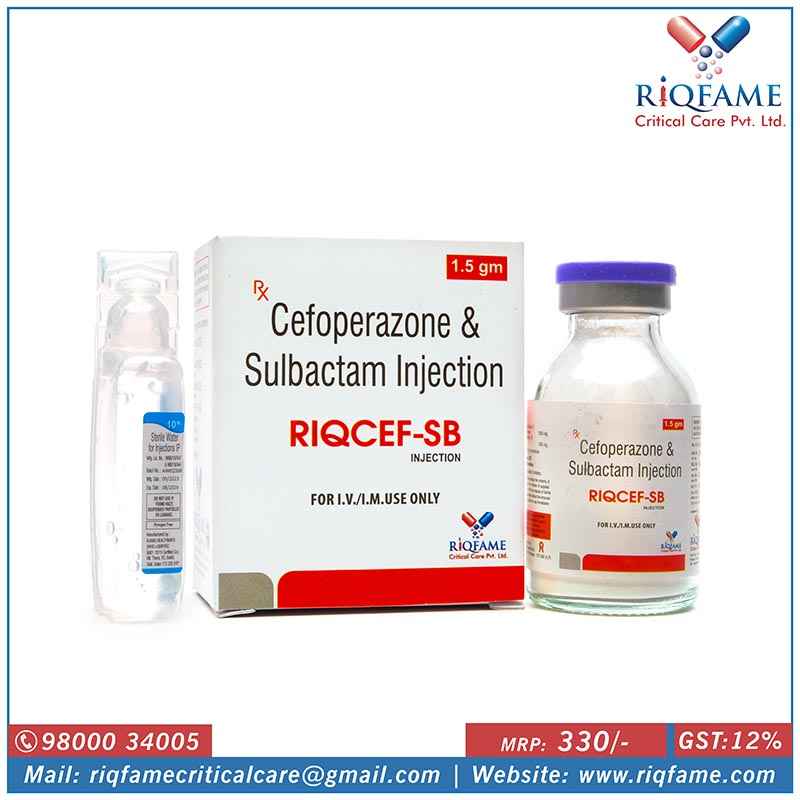
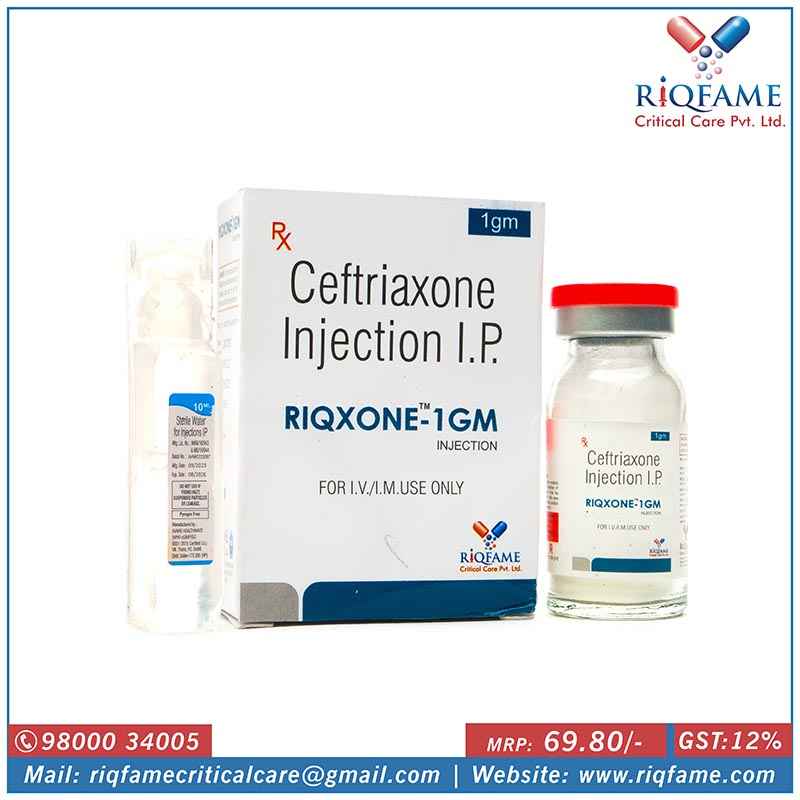
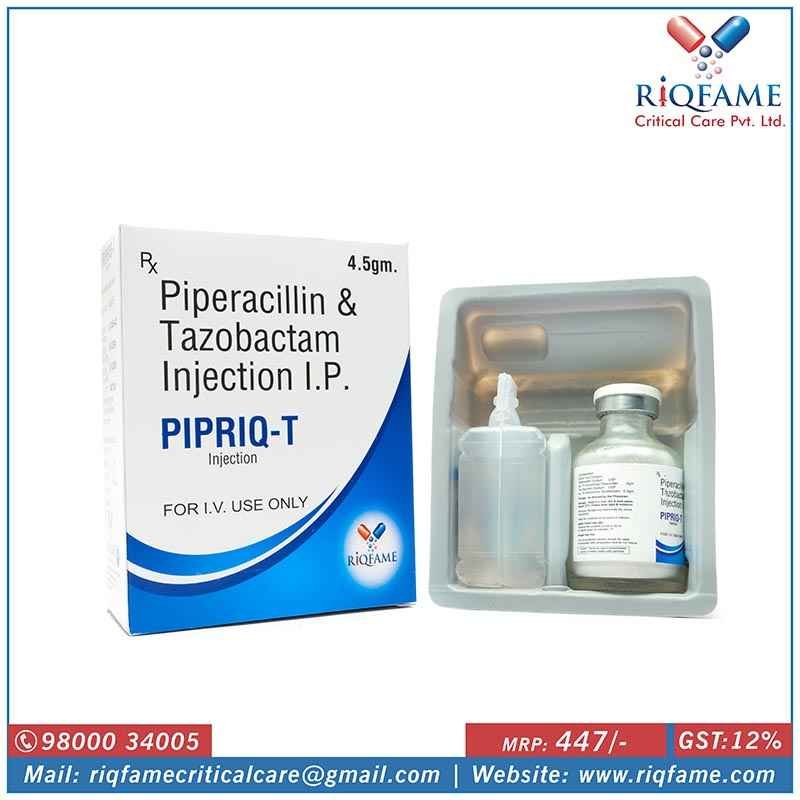
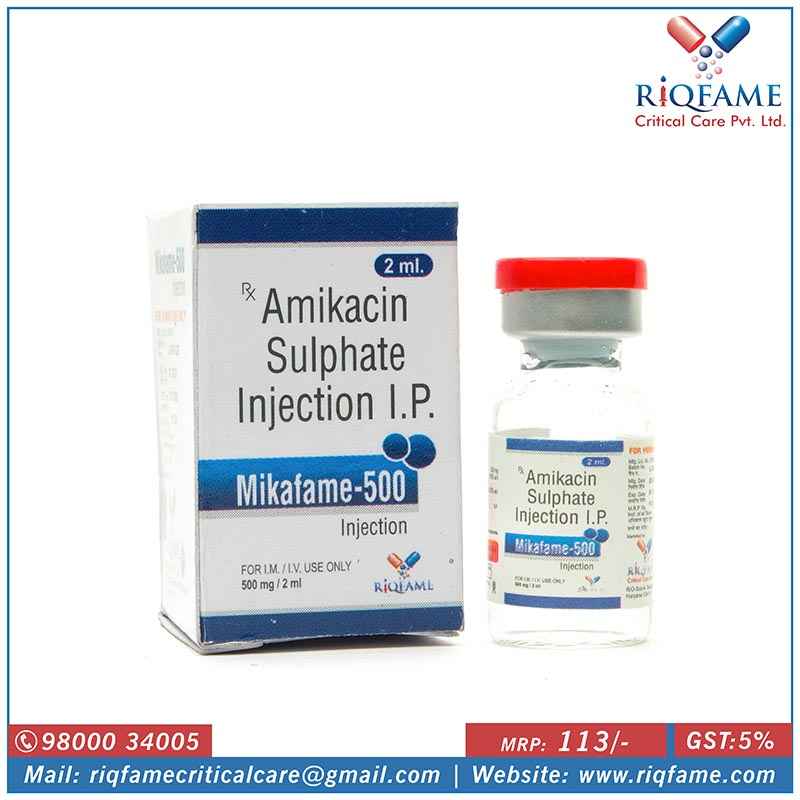
Cefoperazone 1000mg + Sulbactam 500mg Injection: : Fighting Resistant Bacterial Infections
Cefoperazone 1000mg attacks the bacterial cell wall directly. Once that wall breaks down, bacteria cannot survive. Most bacteria produce enzymes to fight back. Sulbactam 500mg shuts those enzymes down completely. This keeps Cefoperazone working against resistant strains. Pseudomonas, Acinetobacter, and Klebsiella all fall within its coverage. Doctors use RIQCEF-SB for lung infections, UTIs, blood infections, peritonitis, and bone infections. For IV/IM use only, strictly under medical supervision.
Riqfame Critical Care gives franchise partners more than just a product. Visual aids, MR bags, and promotional inputs come standard with every partnership. DCGI-approved formulations move through a pan-India distribution network. An experienced team handles supply, so stock gaps don’t become your problem. Select territories are still open for new partners.
Product Overview: RIQCEF-SB
- Penicillin allergy: tell the doctor before starting.
- No alcohol during treatment or for 72 hours after.
- On Warfarin? Bleeding risk goes up significantly.
- Kidney patients need a lower, adjusted dose.
- Black stools or unusual bleeding: report right away.
Common Questions, Clear Answers
Question 1. My family member got diarrhea after Cefoperazone Sulbactam. Is that normal?
Answer. It happens with this drug class. Antibiotics kill gut bacteria along with the infection. Mild loose stools usually pass without treatment. Bloody or watery diarrhea is different, and that needs a doctor immediately. Never give anti-diarrhea medicine without asking the doctor first.
Question 2. Is this injection safe for patients with liver disease?
Answer. Liver patients need extra monitoring here. Unlike most antibiotics, this drug is cleared through bile, not urine. Any liver damage means slower clearance and higher drug levels in the body. Doctors cap the daily dose and run liver tests regularly. Both liver and kidney problems together make this more complicated.
Question 3. Can this injection treat Acinetobacter infections?
Answer. Yes, and Sulbactam is the reason why. It has direct killing action against Acinetobacter baumannii specifically. Most standard antibiotics lose effectiveness against this bacterium. Hospital-acquired Acinetobacter infections respond well to this combination. Doctors use it precisely when other options have already failed.